During my Postgraduate Diploma in Policy and Practice in Higher Education, I encountered a module that both challenged and sharpened my academic and professional sensibilities: Teaching and Research Practice. This wasn’t just another credit-bearing exercise — it was a deliberate pause, a structured opportunity to turn the lens inward and ask: How do I know that what I’m doing in the classroom works? And what might I do differently?
The module’s premise was deceptively simple: explore the often-tenuous relationship between teaching and research in higher education and develop a practice development proposal rooted in critical reflection and evidence. In practice, this meant interrogating my current teaching with rigour, exploring the potential of digital pedagogies, and, most crucially, bridging the gap between theory and lived experience.
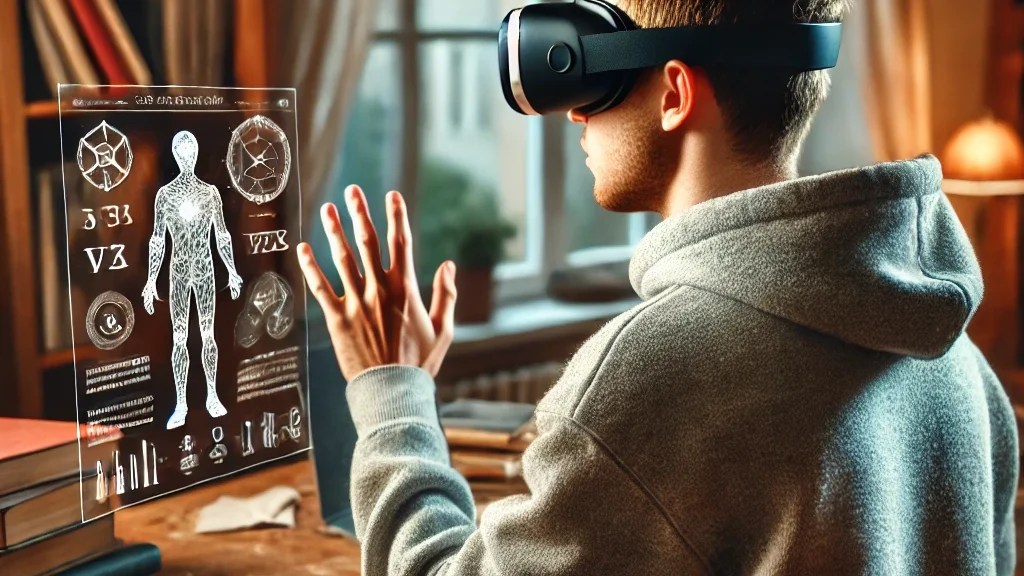
My project focused on the use of Extended Reality (XR) in anatomy teaching within an MSc pre-registration Physiotherapy programme. The question at its heart was not one of novelty or gadgetry, but of pedagogic value: Could XR meaningfully improve the teaching of complex anatomical concepts in a way that resonates with contemporary learners?
What followed was a deep dive into pedagogical literature, an analysis of feedback from my own learners, and a reflection on institutional affordances and constraints. Brookfield’s four lenses framework — autobiographical, student, colleague, and theoretical — provided the scaffold for my evaluation, offering a powerful structure for understanding not only what I do, but why I do it, and how that might be perceived or experienced by others.
The research was immersive, at times overwhelming, but ultimately affirming. It validated many of the instincts I had about engagement, inclusion, and innovation, but it also exposed blind spots — particularly around the scalability and ethics of implementing emerging technologies. I came away with a detailed implementation plan, a clearer understanding of the evidence base, and a firmer grasp of my own values as an educator.
What distinguished this experience from previous study was its intimacy with my everyday practice. The assignment didn’t live in abstraction; it lived in my lecture theatres and in the feedback from students navigating their first year of a demanding professional programme. The module didn’t just permit critical reflection — it demanded it. And in doing so, it left a lasting imprint on how I think about educational development.
Receiving a distinction for the work was gratifying. But more important was the shift in mindset — a move from reactive to research-informed practice. This wasn’t about solving a teaching problem for the sake of an assignment. It was about becoming more attuned to the ethical, practical, and intellectual demands of teaching in higher education today.

 Dean Walker